— General Contracting
When the mechanical drives the schedule.
Tenant improvements, modernizations, and small-to-mid public-sector prime work — particularly when the mechanical or controls scope is the critical path. Most general contractors sub the trades that drive the schedule. We self-perform them. That's the difference between a building delivered on time and a building delivered when the mechanical sub gets around to finishing rough-in. Forty years of California construction work, B license, full bonding capacity.
— Capabilities
What we GC.
Not generalist coordination — specialist self-perform GC. The trades that drive the schedule live under one roof.
Design-build delivery
Progressive design-build and integrated project delivery. One team owns the design intent and the construction schedule — not two separate contracts with two competing timelines.
General contracting
GC of record. Sub-tier management, schedule ownership, safety on site. Forty years of holding the middle together.
New builds & retrofits
Ground-up construction from site work through commissioning. Tenant improvements and modernizations in occupied buildings — phased construction, off-hours work, keep-the-tenant-in-place discipline.
Trade-led projects
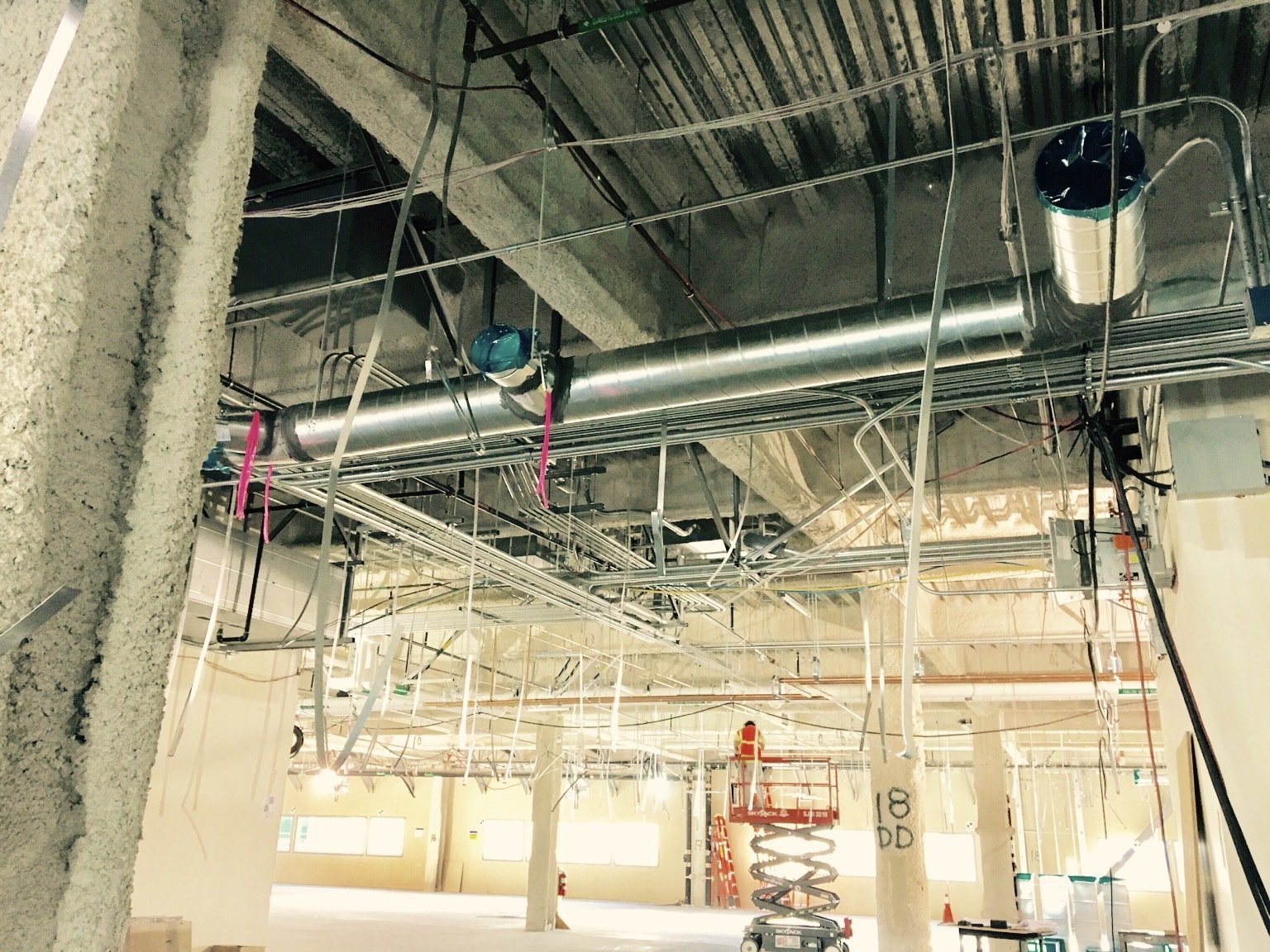
When HVAC is the critical path, we lead with the mechanical. When BAS is the catalyst, we lead with controls. Either way, the trade that drives the schedule is one we self-perform.
Self-perform trades in-house
Mechanical, BAS, sheet metal, ductwork — all under one roof. The GC schedule and the trade schedules are the same schedule.
Public-sector delivery
Prevailing wage, DIR, SB/LSBE, Omnia cooperative purchasing, bonding capacity. Schools, universities, water utilities, government facilities.
— The trades in-house
GC with the trades that matter.
Most general contractors are coordinators. They schedule. They manage. They coordinate trades — but they don't actually swing hammers, weld pipe, or wire panels themselves. That works for projects where the schedule is forgiving and the scope is broad.
It doesn't work as well when the mechanical or controls scope is the critical path. When the schedule depends on the chiller commissioning sequence, or the BAS startup, or the boiler tie-in — having those trades inside the GC instead of three layers down a sub chain matters.
For the record: Athena holds the California B license to GC, and also holds C-4, C-10, C-20, and C-36 to self-perform mechanical, electrical, and plumbing work. We sub broader trades where it makes sense. We own the trades that drive the schedule.
California contractor licenses:
— Public sector
Bonded. Prequalified. Practiced.
Public-sector prime contracting requires more than capability — it requires capacity. Bonding. Insurance. Prevailing wage compliance. Prequalification across multiple agencies. We have the paperwork, the financial standing, and the project history to win and deliver public work.
SCMSDC and NMSDC minority-certified. Woman-owned business. DVBE outreach. Forty years on the bidder list across the cities, counties, and special districts of Southern California.
— Recent thinking
From our construction team.
Building Automation
Access Expert or Security Expert? A field guide to Schneider’s two access control products (and who should install them)
Read moreBuilding Automation
Cloud-managed BMS, explained — what Neeve actually does.
Read moreBuilding Automation
Twisted-pair adapters, compared — the open T1L standard vs. Schneider’s free topology.
Read more— Other expertise
Explore the rest of what we do.
— Building Automation
Building Automation
Schneider, Johnson Controls, Argus. Native or on Niagara. Legacy migrations without ripping out the wiring.
Read more— Mechanical
Mechanical
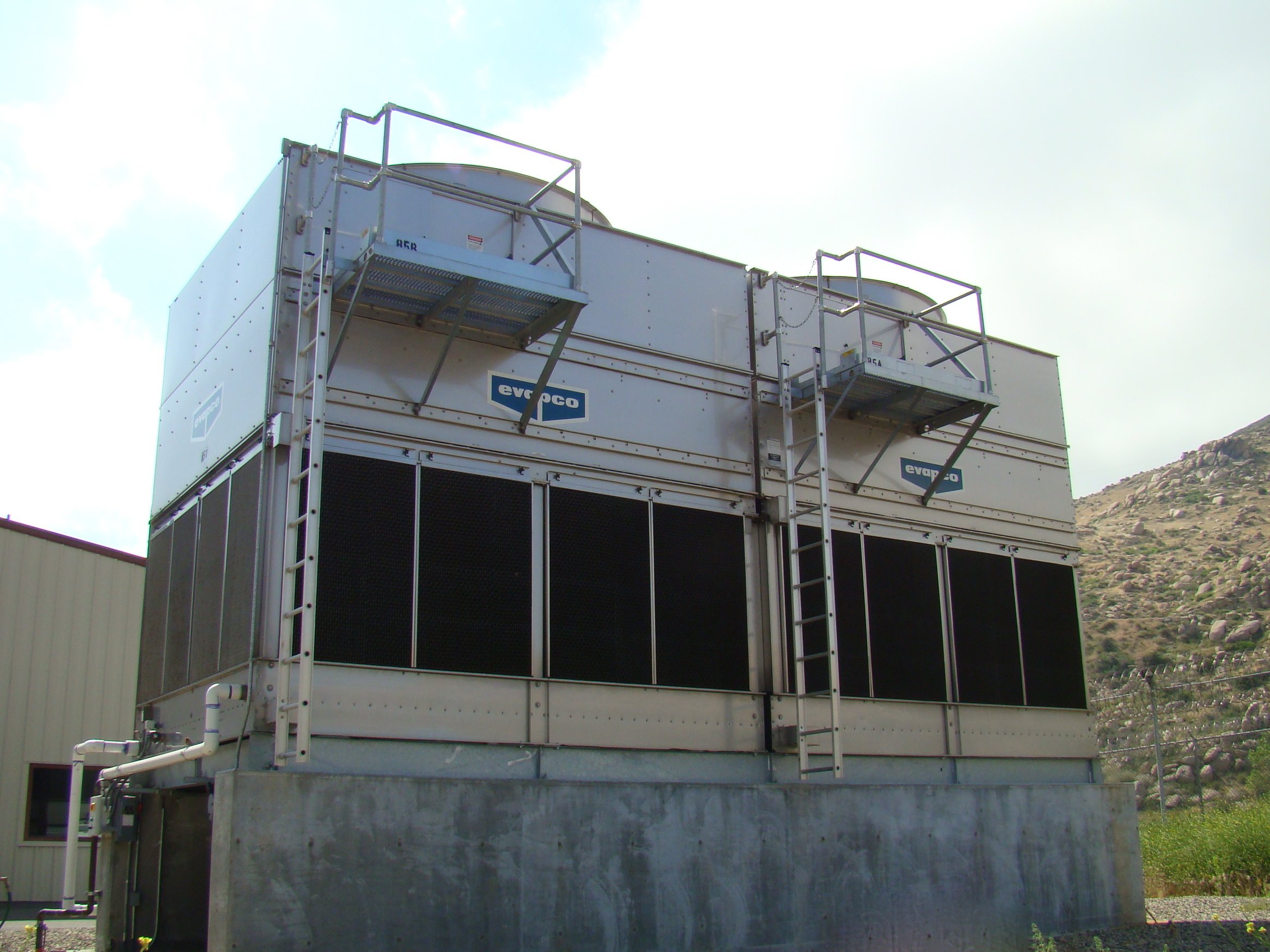
HVAC and piping, self-performed. The original Athena trade — still in our own hands forty years on.
Read more— Security & Access
Security & Access Control
Schneider Access Expert and Security Expert. Card readers, mobile credentials, integrated with the BAS you already trust.
Read more— Service & Maintenance
Service & Maintenance
Multi-year contracts covering BAS and mechanical — scheduled visits, T&M, software upgrades, remote hosting, and the client portal that keeps your team ahead of the system.
Read more— Next step
Have a project where the mechanical leads?
Tenant improvement, modernization, public-sector prime work — let's talk through the scope and the schedule.